Vegetarian diet is healthier than eating meat
 Hey there, future debate champions! Looking for powerful, ready-to-use arguments for your next competition? You’ve hit the jackpot. This template gives you a complete script supporting the motion that “vegetarian diet is healthier than eating meat.”
Let’s break this down simply. A vegetarian diet means eating plant-based foods like fruits, vegetables, grains, nuts, and avoiding meat. “Healthier” means better for our bodies in the long run—preventing diseases and keeping us strong.
Quick important note: This article gives you arguments for one side of an educational debate. It’s not saying meat-eaters are wrong, but helping you build a strong case for the vegetarian side. Use this as your foundation and add your own flair!
Now, let’s dive into those winning points.
Winning Debate Points on Why Vegetarian Diet is Healthier Than Eating Meat
1. Your Heart Will Thank You Forever
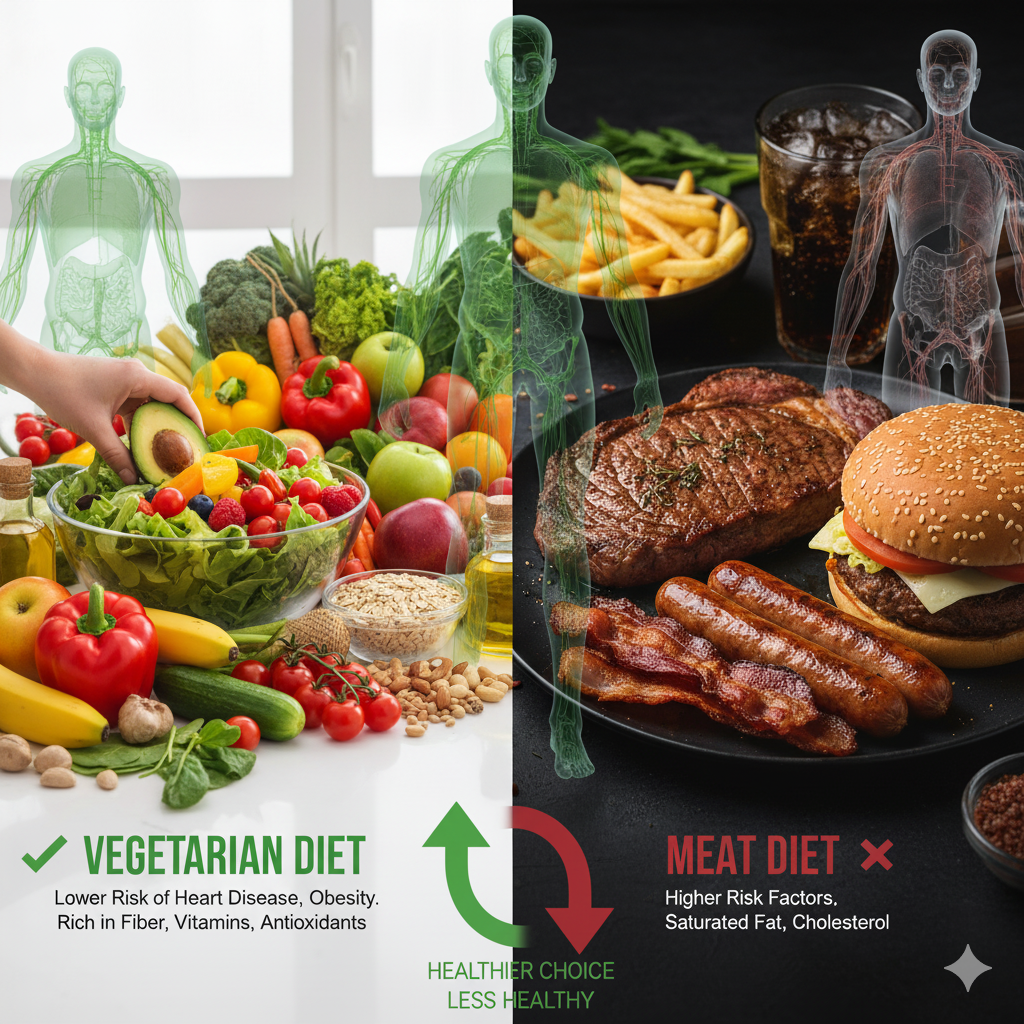
My first point is about heart health—and this is huge. Study after study shows that vegetarians have significantly lower rates of heart disease. Why? It’s simple really.
Plant-based foods are naturally low in saturated fat and cholesterol. Meanwhile, meat—especially red and processed meat—is packed with them. Think about what happens when you cut out that daily meat intake. Your blood pressure drops. Your cholesterol levels improve. Your arteries stay clearer.
The American Heart Association confirms that plant-based eating patterns reduce heart disease risk by up to 25%. That’s not just a number—that’s people living longer, healthier lives. Your heart is your body’s engine. Why would you fuel it with something that clogs it up?
2. You’re Slashing Your Cancer Risk Dramatically
Now let’s talk about cancer prevention. This might surprise you, but the World Health Organization has classified processed meats as Group 1 carcinogens. That means they’re in the same category as cigarettes and asbestos for cancer risk.
Red meat is classified as Group 2A—probably carcinogenic to humans. Meanwhile, plant foods are packed with antioxidants and phytochemicals that actually fight cancer cells. Fruits, vegetables, and whole grains contain compounds that protect your DNA from damage.
It’s like having an army inside your body fighting off invaders. Every meat-free meal is another victory for your long-term health. The evidence is overwhelming—choosing plants over meat significantly reduces your cancer risk.
3. You’ll Naturally Maintain a Healthy Weight
Here’s something everyone notices when they go plant-based. The weight just manages itself. Vegetarians tend to have lower body mass indexes than meat-eaters. Why does this happen?
Plant foods are less calorie-dense but more nutrient-rich. You can eat larger volumes of food while consuming fewer calories. Plus, the high fiber content keeps you feeling full longer. No more struggling with diets or hunger pains.
Meat is calorie-dense and often comes with hidden fats. Even lean meats can’t compete with the weight management benefits of a balanced vegetarian diet. Your body naturally finds its healthy weight without constant struggle.
4. Your Digestive System Gets a Major Upgrade
Let’s talk about something we don’t discuss enough—digestion. Plant-based diets are rich in fiber, while meat contains zero fiber. This makes a huge difference in how your body processes food.
Fiber keeps everything moving smoothly through your digestive system. It prevents constipation and supports healthy gut bacteria. A healthy gut means better nutrient absorption and a stronger immune system.
Many people report feeling lighter and more energetic on a vegetarian diet. That bloated, heavy feeling after a meat-heavy meal? Gone. Your digestiv system works efficiently when you fuel it with plants.
5. You Avoid Dangerous Meat-Related Health Risks
This point is crucial. Meat consumption comes with specific health risks that vegetarians completely avoid. We’re talking about foodborne illnesses, antibiotics, and hormones.
Factory-farmed animals are often given antibiotics to prevent disease in crowded conditions. These antibiotics end up in the meat we eat, contributing to antibiotic resistance. There are also growth hormones used in meat production.
Then there’s food poisoning. Undercooked meat can contain dangerous bacteria like E. coli and Salmonella. By choosing plant-based foods, you eliminate these risks entirely. Your plate becomes a safer place.
6. You’re Building Stronger Bones and Better Long-Term Health
Some people worry about protein and calcium on a vegetarian diet. But here’s the truth—you can get all the nutrients you need from plants, often in healthier forms. Plant proteins don’t come with the saturated fat that animal proteins do.
In fact, countries with higher meat consumption have higher rates of osteoporosis. Why? Animal protein may cause calcium loss from bones. Plant foods provide calcium without this risk.
The longest-living populations in the world eat predominantly plant-based diets. They enjoy active, healthy lives well into old age. This isn’t coincidence—it’s the power of plants supporting your body through every stage of life.
Frequently Asked Questions (FAQs)
What about protein? Won’t vegetarians lack essential nutrients?
This is the most common concern,but it’s easily addressed. Plants are packed with protein! Beans, lentils, nuts, seeds, and whole grains provide all the protein your body needs. The American Dietetic Association states that well-planned vegetarian diets are nutritionally adequate for all stages of life.
What’s the strongest argument for the other side?
The opposition might argue that humans have always eaten meat or that some nutrients like B12 are harder to get from plants.However, B12 can be easily obtained through fortified foods or supplements, and “natural” doesn’t always mean “healthier” in our modern context.
How should I deliver this speech effectively?
Speak with confidence and make eye contact.Use personal language like “I believe” and “The evidence shows me.” Practice your timing—aim for about 5-7 minutes total. Most importantly, believe in your arguments!
Conclusion / Summary
To wrap up, we’ve seen how a vegetarian diet protects your heart, reduces cancer risk, helps maintain healthy weight, improves digestion, avoids meat-related health risks, and supports long-term bone health. The evidence is clear and compelling.
Remember everyone, this script is designed for educational debate to help you develop critical thinking skills. Different eating patterns work for different people, and this is about exploring one perspective for academic purposes.
What do you think? Drop your opinions in the comments section below… Also, feel free to share this post with your classmates or debate team members!