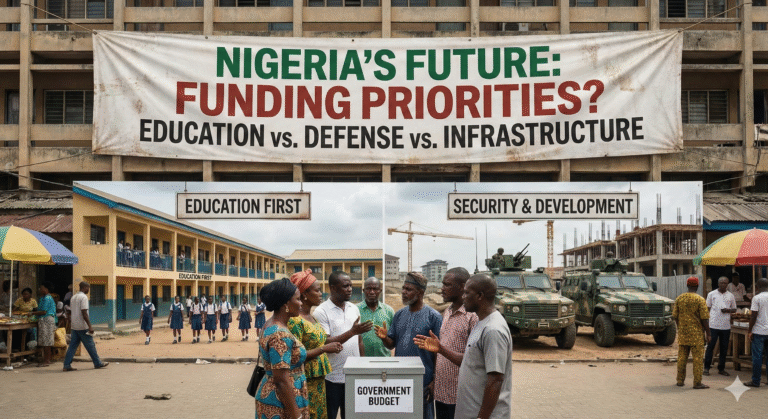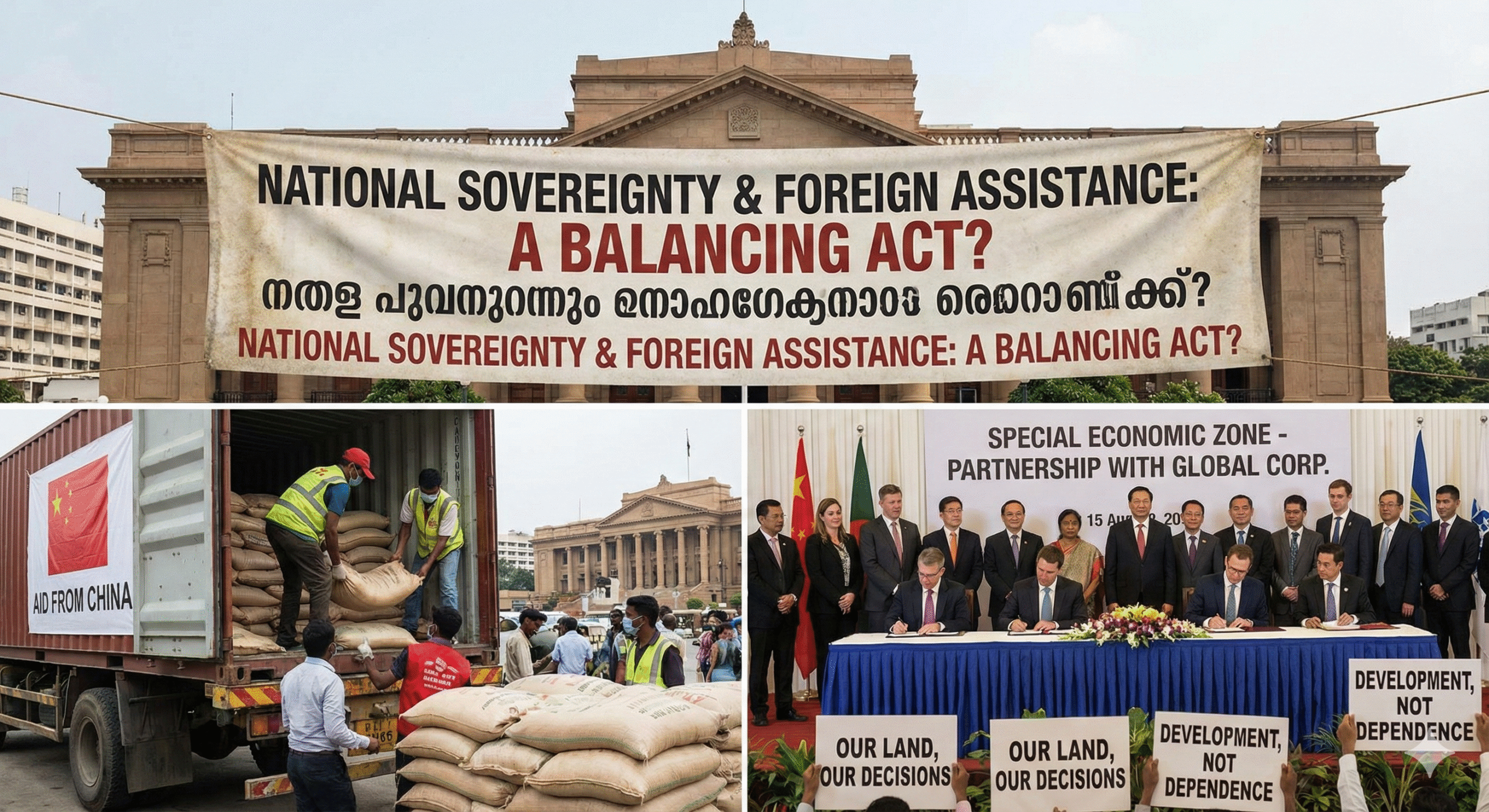
Should governments accept foreign aid or foreign investments if it influences national sovereignty?
 Debate: Should Governments Accept Foreign Aid or Investment? (5 Winning Points)
Hey there, future leaders and sharp debaters! Need a compelling script that tackles a complex global issue? You’ve found it. Today, we’re diving into a crucial motion: Should governments accept foreign aid or foreign investments if it influences national sovereignty?
This template provides the winning arguments supporting the motion—yes, governments should accept it. This script is crafted to sound like you delivering a powerful, nuanced case. Remember, this is for educational debate. All perspectives are valid, but our task is to build a convincing argument for strategic engagement with the world.
Let’s get clear on the terms. “Foreign aid” is money or resources given by one country to another. “Foreign investment” is when outside companies put money into our businesses or infrastructure. “National sovereignty” is our right to govern ourselves without outside control. The real question is: can we accept help and investment while still holding the pen that writes our own story?
Now, step up with confidence. Here is your script.
Winning Debate Points on Why Governments Should Accept Foreign Aid and Investment
1. Strategic Acceptance is a Sign of Strength, Not Weakness
My first point flips the script. A government that strategically accepts foreign aid and investment isn’t giving up sovereignty—it’s exercising it. It’s making a smart, calculated choice for its people. Think about it. Absolute isolation doesn’t make you strong; it makes you poor and left behind.
The key word is strategic. We are not talking about signing any paper put in front of us. We are talking about a sovereign government using its own legal systems, its own negotiators, to secure deals that benefit its citizens. When Nigeria accepts a loan from the World Bank to build a railway, that’s a sovereign decision. We negotiate the terms. We manage the project. That’s not losing control; that’s using global resources to build our nation on our own terms. True sovereignty is the power to choose what’s best for our development, and that includes saying “yes” to good opportunities.
2. The Alternative—Going It Alone—Often Harms Citizens More
Now, let’s talk about the alternative. What happens if we refuse all aid and investment for fear of influence? We starve our own economy. We deny our people crucial services. Is that really protecting them? Look at the immediate needs: saving lives after a flood, fighting a disease outbreak, or keeping a university open.
Organizations like the UN provide humanitarian aid during crises with the primary goal of saving lives, not controlling politics. Refusing this help over a vague fear of influence would be a direct betrayal of the citizens a government is sworn to protect. Sometimes, the most sovereign thing you can do is swallow your pride, accept smart help, and ensure your people live to see a stronger tomorrow. Protecting sovereignty must not come at the cost of our people’s well-being.
3. Smart Deals Can Be Structured to Protect National Interests
Here’s a critical point: influence isn’t a black-and-white, all-or-nothing game. It’s a negotiation. The idea of “debt trap diplomacy” is a risk, but it’s not a certainty. It’s a warning that makes us smarter, not a monster that makes us run.
A sovereign, capable government has lawyers, economists, and policy experts. Their job is to draft agreements with safeguards. We can negotiate clauses that protect our land, ensure technology transfer, and prioritize local hiring. We can choose investments that align with our own national development plan, not the other way around. By accepting, we get a seat at the global table. We gain the capital and technology we lack. The question isn’t whether there is influence; it’s whether we are strong enough negotiators to manage that influence and turn it to our overwhelming advantage.
4. Global Interdependence is the Modern Reality
Let’s be real. In today’s world, no nation is an island. Our economies are connected. Our challenges—like climate change and pandemics—are global. In this reality, economic interdependence isn’t a choice; it’s the water we swim in.
Refusing all foreign capital in the name of economic independence is like refusing to use the internet to protect your local library. It leaves you disconnected and left behind. Foreign direct investment brings more than money. It brings new technology, managerial skills, and access to global markets. This creates jobs and raises standards. Yes, it creates ties with other nations. But those ties also give us leverage and a network of support. In a connected world, smart interdependence is the path to true, resilient strength.
5. The Goal is to Eventually Graduate from Needing Aid
My final point is about the future. We should see foreign aid and investment not as a permanent crutch, but as a ladder. The ultimate act of sovereignty is to climb that ladder and stand on your own feet. Look at countries like South Korea or Singapore. They used strategic foreign aid and investment after crises to build booming economies. Now, they are donors and investors themselves.
That’s the model. We accept help with a clear, sovereign plan for how it builds our own capacity. We use investment to build industries that will one day compete globally. The end goal is to become the giver, not just the receiver. But you can’t graduate from a school you never attended. Accepting strategic help today is how we build the sovereign, powerful nation of tomorrow.
—
Frequently Asked Questions (FAQs)
Q: What’s the opposition’s strongest argument?
A:They will scream “Debt trap diplomacy!” or “Neocolonialism!” They’ll point to countries seemingly forced to hand over ports or airports. Your counter is ready: “Those are examples of bad negotiations, not an argument against all agreements.” The solution is to build a smarter, more transparent government that negotiates better deals, not to hide from the world and let our infrastructure crumble. Fear is not a foreign policy.
Q: How do I conclude this speech powerfully?
A:Bring it back to power and pragmatism. Try this: “Honorable judges, the world is not a charity. It’s a marketplace of opportunities and risks. A truly sovereign government does not hide from this market in fear. It enters with its eyes open, its lawyers ready, and a fierce commitment to its people’s welfare. It accepts help not as a master accepts a command, but as a strategist accepts a tool. Let us be smart strategists for Nigeria’s future. Let us engage with the world on our own terms. Thank you.”
Conclusion / Summary
To sum up, governments should accept foreign aid and investment because strategic acceptance is an exercise of sovereignty, the alternative of isolation harms citizens, smart deals can protect national interests, global interdependence is our modern reality, and the goal is to use this help to build a future where we no longer need it.
Disclaimer: This template is for educational debate preparation only. It argues one side of a highly complex international issue to develop critical thinking and public speaking skills. It does not dismiss valid concerns about unequal global power dynamics or poor governance.
What do you think? Is strategic engagement the way forward, or is it too risky? Drop your opinions and rebuttals in the comments! Be sure to share this with your debate team and friends preparing for this topic.