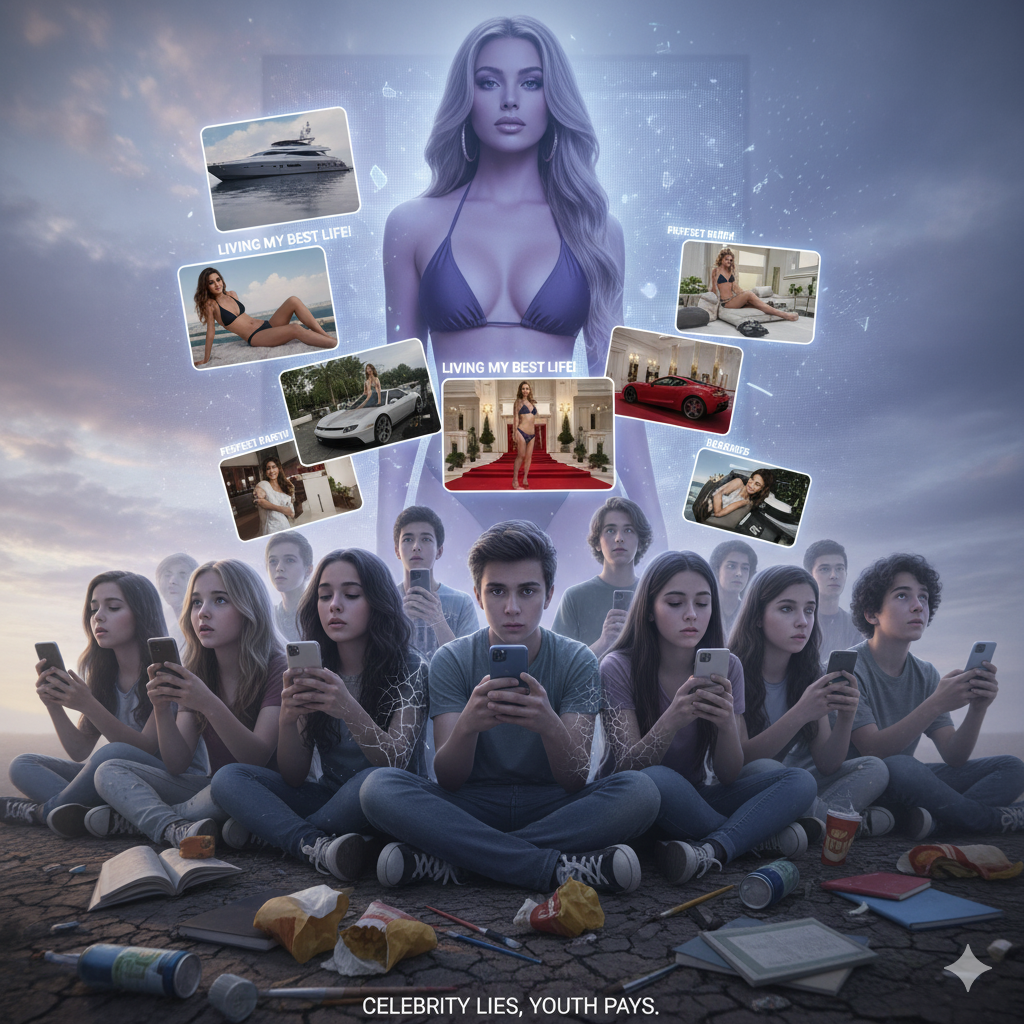
Celebrity lifestyle negatively affects youth
 Hello, future leaders and sharp-minded students!
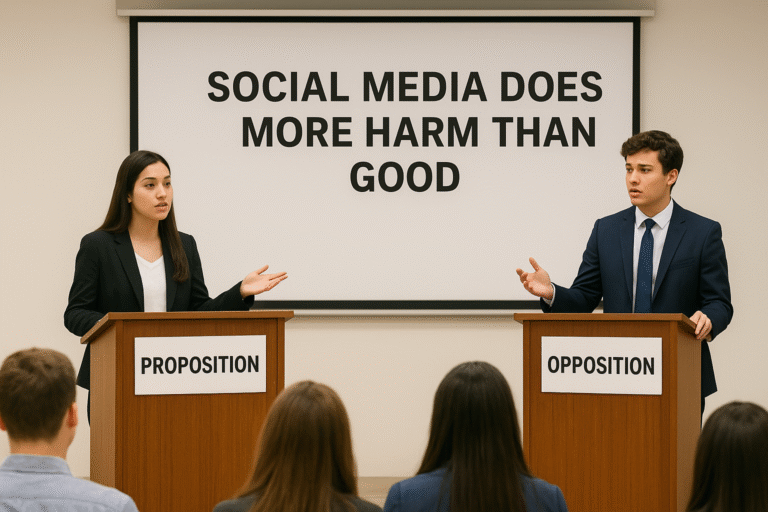
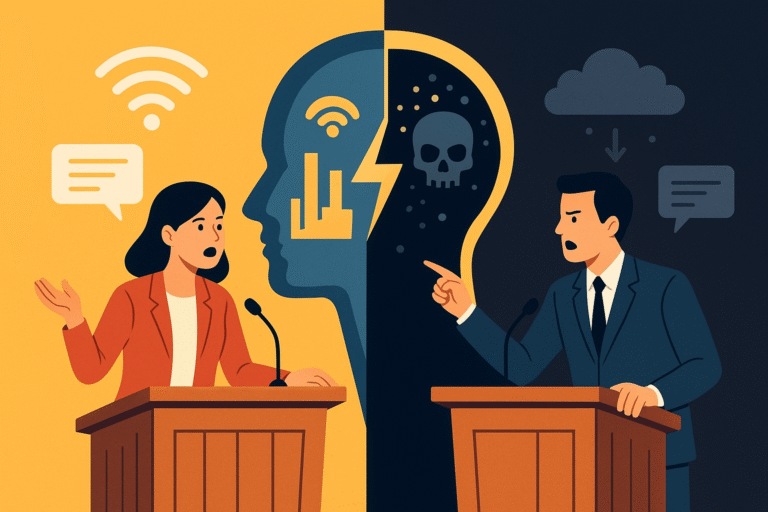
Ready to win your next debate? You’ve found your secret weapon. This is a complete, ready-to-use template arguing for the motion: Celebrity lifestyle negatively affects youth.
Let’s be clear from the start. We are not saying all celebrities are bad people. Many are talented and hardworking. This article, however, gives you the powerful arguments to win a formal debate by highlighting the real and documented negative impacts of celebrity culture on young people like you. It’s for educational competition, not a personal attack.
Now, let’s get you that win.
Winning Debate Points on Why Celebrity Lifestyle Negatively Affects Youth
Here is your script. Deliver it with passion and confidence.
1. It Creates Crushing and Unrealistic Beauty Standards
My first point is about the pressure to look perfect. Open Instagram. What do you see? Flawless skin, perfect bodies, and luxurious lives. But here’s the truth: it’s mostly a filter. It’s not real. Many celebrities use teams of stylists, personal trainers, and photo editing apps to create an image that is literally impossible to achieve. A report from the World Health Organization even highlights how media portrayals are linked to body image issues in teens. This constant exposure makes young people feel insecure about their own natural bodies. They spend money they don’t have on products that promise a dream that doesn’t exist. It’s a dangerous game that hurts self-esteem.
2. It Promotes a Dangerous Culture of Materialism
Now, let’s talk about money. Celebrity culture screams one message: your worth is determined by what you own. The latest designer bag. The most expensive sneakers. The flashiest car. This relentless focus on wealth makes young people believe that success is only about material possessions, not about character or knowledge. Think about it. When a young person’s main goal is to “flex” like a celebrity, what gets left behind? Saving for the future? Investing in education? The value of hard work gets replaced by the desire for quick, showy wealth. This materialistic mindset is a shaky foundation for a successful life.
3. It Glorifies Toxic Relationships and Drama
Ever scroll through blogs and see nothing but celebrity breakups, fights, and scandals? This drama is often packaged as entertainment, but it has a real cost. When young people constantly see toxic relationships and irresponsible behavior trending online, they can start to see it as normal. They might even see it as cool. The message becomes: chaos gets attention. This can influence how they behave in their own relationships. Instead of valuing respect and stability, they might be drawn to unnecessary drama, thinking it’s a part of a glamorous life. It’s a distorted view of reality that can lead to real-world pain.
4. It Pushes Young People Into Debt and Financial Trouble
This is a direct result of that materialistic culture. A young person sees their favorite celebrity showcasing a new iPhone or a luxury wristwatch. The pressure to keep up is immense. So what do they do? They max out their parents’ credit cards. They save up all their allowance for one expensive item instead of buying a textbook. Some even fall into the hands of loan sharks. They are chasing a lifestyle they cannot afford, all to get a few likes on social media. This is not success; it’s a financial trap. The pursuit of a celebrity lifestyle can literally bankrupt a young person before their life has even properly begun.
5. It Undermines the Value of Hard Work and Education
Let’s be honest. The story we often hear is “overnight success.” A musician drops one song and blows up. An actor gets one role and becomes a global star. What we don’t see are the years of struggle, the lucky breaks, or the connections they had. This creates a dangerous illusion for youth. They start to believe that hard work in school or learning a skilled trade is a waste of time. Why bother studying for WAEC when you can just go viral? This mindset is a recipe for disappointment. For every one viral star, there are millions who tried and failed. Education, on the other hand, provides a steady and reliable path to a better life.
6. It Negatively Impacts Mental Health
Finally, and most importantly, is the toll on the mind. Constantly comparing your real, everyday life to a celebrity’s highlight reel is exhausting. It leads to anxiety, depression, and a feeling of never being good enough. The American Psychological Association has published studies linking high social media use to poor mental health in adolescents. This “compare and despair” game is fueled by celebrity culture. Young people feel they must be “on” and perfect all the time, just like their idols. It’s an unbearable pressure. This constant state of comparison is perhaps the most silent and damaging effect of all.
Frequently Asked Questions (FAQs)
1. What’s the strongest argument for the other side?
The opposition will likely say that celebrities can be positive role models who inspire youth to dream big,work hard, and overcome challenges. They might mention celebrities who donate to charity or speak out on important issues.
2. How can I make my delivery stronger?
Use specific,recent examples! Mention a celebrity who recently promoted a questionable product or was in a public scandal. Using names and real events makes your argument much more powerful and relatable to your audience.
3. How should I start my speech?
Start with a strong,attention-grabbing opening. You could say: “Mr. Chairman, Panel of Judges, accurate timekeeper, my worthy opponents, and everyone present. Today, we are here to address a dangerous illusion sold to my generation—the idea that a celebrity lifestyle is something to aspire to. I stand here to prove it is a trap.”
Conclusion / Summary
In summary, I have shown you that the celebrity lifestyle negatively affects youth by setting impossible beauty standards, promoting empty materialism, and glorifying toxic drama. It leads to financial recklessness, devalues education, and severely damages mental health through constant comparison.
I want to restate that this is a debate template for educational purposes. We acknowledge that many celebrities use their platforms for positive change. Our goal today was to equip you with arguments to win a competitive debate.
What do you think? Do you have another powerful point to add? Drop your opinions in the comments section below! Let’s learn from each other. Also, don’t forget to share this post with your coursemates and fellow debaters!