Religion causes more harm than good
Good day, students! Looking for powerful, ready-to-use points for your upcoming debate? You’ve landed in the right place. This template provides a strong script for anyone supporting the motion that “Religion causes more harm than good.”
Let’s be clear on what we’re discussing. By “religion,” we mean organized systems of faith and worship. By “harm,” we mean the tangible, real-world damage caused to individuals and societies. This article is designed to provide persuasive arguments for one side of an educational debate and is not meant to disrespect anyone’s personal faith.
Winning Debate Points on Why Religion Causes More Harm Than Good
Here are your seven winning points, written as if you are delivering them at the podium. Speak them with confidence!
1. A Historical Legacy of Violence and War
My first point is perhaps the most obvious. Look back through our history books. What do you see? Countless wars fought in the name of God. From the ancient Crusades to modern-day religious conflicts, the story is the same.
Land, power, and resources are often seized under the banner of faith. This isn’t just ancient history; it’s a ongoing reality in many parts of the world. How can something that sparks so much bloodshed be considered a net good? The evidence of religious violence is written in the blood of millions across centuries. It’s a tragic and undeniable fact.
2. It Creates Deep Social Division and “Us vs. Them”
Now, let’s talk about what religion does to our social fabric. It draws a sharp line between believers and non-believers. It creates an “in-group” and an “out-group.”
This division fuels prejudice and discrimination. Think about it. How often do we see conflict between people of different faiths? This social division is a direct result of religious identity. Instead of uniting us as one human family, it often builds walls between us. These walls don’t just separate us; they create a breeding ground for religious intolerance and even hatred.
3. The Stifling Grip of Dogma on Scientific Progress
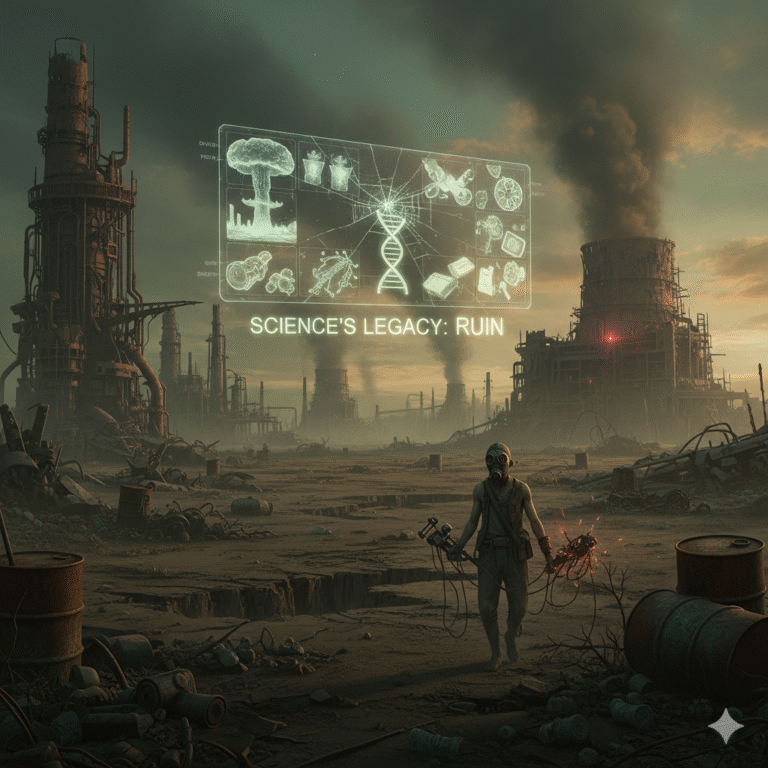
My third point is about our future. For centuries, religious dogma has been a major roadblock to scientific discovery. Think of Galileo, who was punished for saying the Earth revolved around the sun. His truth challenged religious doctrine.
Even today, in some communities, the teaching of evolution is contested in favor of creation stories. When faith demands we reject evidence, it holds all of humanity back. We cannot solve our biggest problems if we are forced to ignore scientific facts. This hinders progress in critical areas like medicine and climate change.
4. It Can Be Used to Justify Injustice and Oppression
But here’s the thing: religion has often been a tool for powerful people to maintain control. It’s been used to justify terrible injustices throughout history. Think about it.
Some used religious texts to defend slavery. Others use it to oppress women and deny them basic rights. It can teach people to accept their suffering in this life for a reward in the next. This stops people from challenging unfair systems and fighting for a better world here and now. When you’re told your plight is “God’s will,” why would you struggle for change?
5. The Psychological Burden of Fear and Guilt
Let’s get personal. For many, religion doesn’t bring peace; it brings fear. The fear of hell, the fear of divine punishment, the constant guilt over normal human feelings and actions.
This is a heavy burden to carry, especially for young people. Imagine being told you are inherently sinful. It damages self-esteem and creates unnecessary anxiety. A global study by Ipsos even found that 47% of people believe religion causes more harm than good, a sentiment that often stems from seeing these harmful effects on mental well-being . We should be free to live without this shadow of fear.
6. It Fosters Intolerance and Restricts Personal Freedom
Another key point is freedom. Many religions come with a long list of strict rules governing personal behavior—what to eat, what to wear, who to love.
These rules aren’t just suggestions; they are often enforced with social pressure or even legal force. This religious intolerance for different lifestyles is a direct attack on personal freedom and human rights. People are persecuted for their love, their identity, and their simple life choices. True morality should come from empathy, not from the fear of breaking a religious rule.
7. Wasting Precious Resources and Obstructing Development
Finally, let’s talk about money and priorities. Think of the billions of dollars spent building mega-churches and giant religious monuments. Now, imagine if that money was spent on schools, hospitals, clean water, and feeding the hungry.
Which action is truly more moral? The choice seems clear. Furthermore, as noted in scholarly discussions, religious arguments are sometimes used to obstruct critical public health initiatives, costing lives . Our resources are limited. We must ask ourselves if spending them on grandiose religious projects is really the best way to do good in this world.
Frequently Asked Questions (FAQs)
Here are answers to some common questions you might have.
What’s the strongest argument for the other side?
The strongest point against our motion is that religion provides community support,moral guidance, and personal comfort for billions. They will argue that it’s not religion itself, but people who misuse it, that cause harm. Your counter is simple: if a system is so easily twisted to cause immense suffering, can we truly call it a force for good? The harm is too widespread and consistent to ignore.
How do I start and conclude this debate effectively?
Start with a powerful opening:”Mr. Chairman, Panel of Judges, Accurate Time-Keeper, Co-debaters, Ladies and Gentlemen. Today, I stand before you to affirm the stark truth that religion, despite its promises, has been a net source of conflict, division, and stagnation in our world.”
Conclude by summarizing your points:”From historical violence to modern-day oppression, from stifling science to creating psychological fear, the evidence is overwhelming. We must judge a tree by its fruits, and the fruits of religion are too often bitter. I therefore rest my case.”
Conclusion / Summ ary
ary
In summary, my arguments have shown that religion has been a primary driver of historical and modern violence, deep social division, and the suppression of scientific progress. It has justified injustice and places a heavy psychological burden on individuals.
To be clear, this analysis is for the purpose of this educational debate. We respect that many individuals find great comfort and community in their faith. However, from a societal and historical perspective, the scale of harm is undeniable.
What do you think? Drop your opinions in the comments section below! Also, feel free to share this post with your coursemates or those in your team!