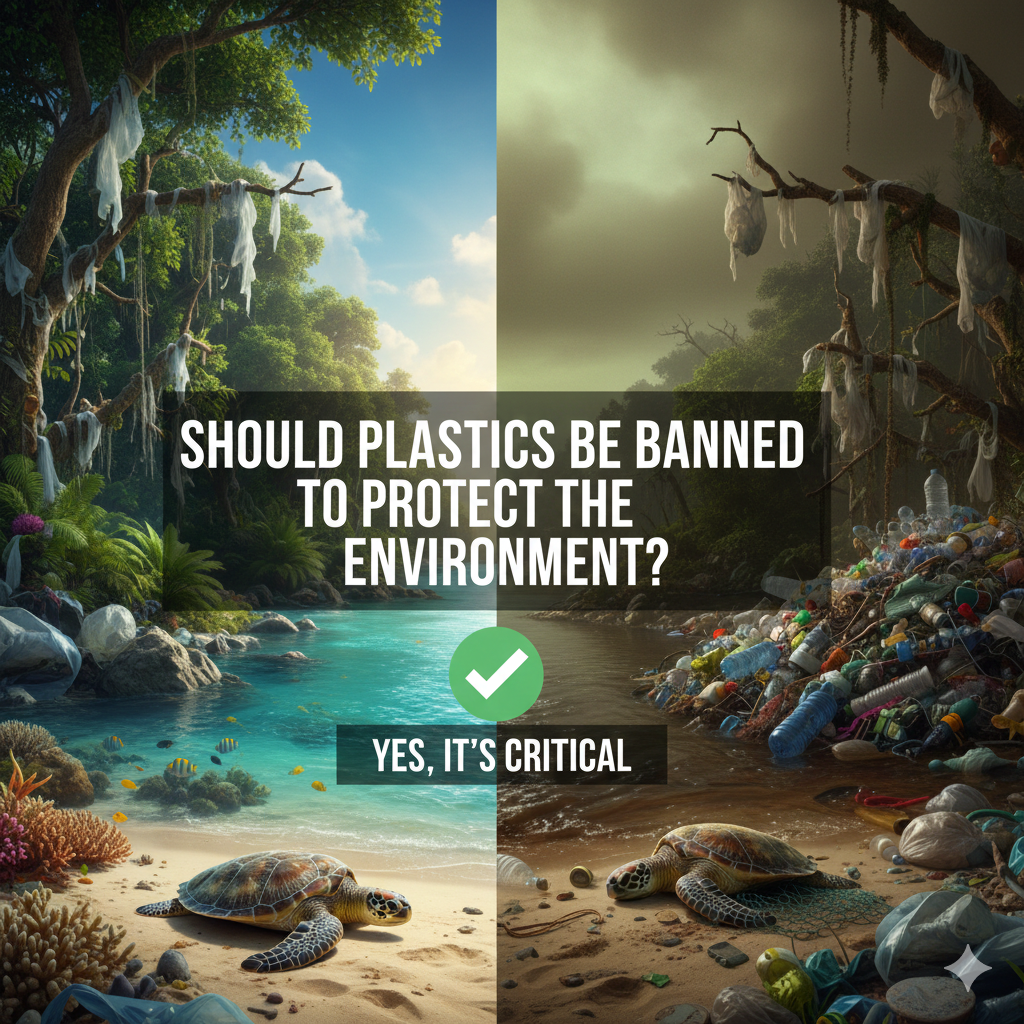
Should the use of plastic bags / plastics be banned to protect the environment?
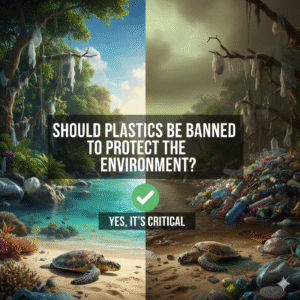 Debate: Should the Use of Plastic Bags Be Banned to Protect the Environment? (6 Winning Points)
Good day,future leaders and sharp debaters! Looking for the winning script to own that podium? You’ve found it. This template provides a complete, ready-to-use speech arguing YES, the use of plastic bags and single-use plastics should be banned to protect Nigeria’s environment.
Let’s get this straight. A “ban” means the government stops the production, sale, and use of these items. “Protecting the environment” means saving our land, water, and air from harm so we can live healthy lives. This isn’t just about litter; it’s about our survival.
Disclaimer: This article provides structured arguments for one side of an educational debate. It is intended for learning and preparation, and acknowledges the complexity of the issue.
—
Winning Debate Points on Why Plastic Bags Should Be Banned
Deliver these points with confidence. This is your script.
1. Plastic Pollution is Choking Our Cities and Countryside
My first point is the mess we all see every single day. Our streets, markets, and beautiful landscapes are buried under mountains of plastic waste. We generate a staggering 2.5 million tonnes of it every year. But here’s the shocking truth: less than 10% gets recycled.
Where does the rest go? It’s tossed in gutters, dumped in fields, or burned in piles. This isn’t just ugly—it’s a national embarrassment that harms our health and our pride. Imagine a tourist’s first view of Nigeria being a heap of plastic bags. We deserve better. Our environment deserves better. A ban is the bold step we need to start cleaning up our act and restoring the natural beauty of our nation.
2. It’s a Direct Cause of Deadly Flooding in Our Communities
Now, let’s talk about a life-and-death matter: flooding. How many times have we seen our neighborhoods submerged after heavy rain? The culprit is often right before our eyes. Plastic bags clog our drains, gutters, and waterways.
Think about Lagos. A city that generates 870,000 tonnes of plastic waste annually. When it rains, this waste blocks every escape route for water. The result? Catastrophic floods that destroy homes, ruin businesses, and even claim lives. Banning these plastics isn’t just an environmental policy; it’s a critical public safety measure. We must clear our drains to save our streets.
3. Plastic Poses a Severe Threat to Human Health
This point is personal. What happens to the plastic that isn’t collected? Too often, it’s set on fire. That acrid smell from burning waste is poisoning us. Burning plastics releases dangerous toxins like dioxins, which are directly linked to cancer and respiratory diseases.
But the threat doesn’t stop there. Chemicals from degrading plastics can seep into our soil and contaminate our groundwater. We are literally eating, drinking, and breathing the consequences of plastic pollution. The World Health Organization has warned about these risks. Protecting our environment through a ban is, first and foremost, about protecting the health of every Nigerian citizen.
4. The Nigerian Public Overwhelmingly Supports Strong Action
Some might say, “But the people won’t accept a ban!” The facts say otherwise. Let’s look at what Nigerians actually think. A major survey by Afrobarometer found that 63% of Nigerian citizens see plastic bags as a major source of pollution.
Even more powerful? That same survey shows 63% of us believe the government should be doing more to limit pollution and protect our environment. This ban is not an unpopular decree from above. It is a direct response to the clear will of the people. We are demanding a cleaner, healthier Nigeria, and this policy is a crucial answer to that demand.
5. Nigeria is Already Leading with Policy, and We Must Follow Through
“Can it work here?” Look around! The momentum is already building right here at home. In 2024, the Lagos State government took a bold stand by banning styrofoam and single-use plastics. Abia State followed suit. The federal government has also announced a ban on single-use plastics in its offices.
This isn’t a strange, foreign idea. It’s a Nigerian-led solution for a Nigerian problem. We are part of a global movement, with over 30 African nations taking similar action. To protect our own future, we must support and strengthen these existing policies, not roll them back. Leadership starts at home.
6. A Ban Drives Innovation and Creates New Economic Opportunities
Finally, let’s talk about the future—and jobs. Opponents will scream about job losses. But history shows a different story. When Kenya banned plastic bags in 2017, it didn’t collapse the economy. It sparked a wave of innovation in reusable bags and packaging, creating new businesses and jobs.
A ban forces a necessary change. It opens the door for Nigerian entrepreneurs to lead in producing affordable, reusable alternatives like cloth bags, paper packaging, and biodegradable containers. It incentivizes a circular economy where waste is redesigned as a resource. We can transition from being the world’s dumping ground to being a leader in sustainable African innovation. This is how we build a greener, smarter economy.
—
Frequently Asked Questions (FAQs)
Q: What’s the opposition’s strongest argument, and how do I counter it?
They will claim a ban destroys jobs and hurts the economy,with some estimating huge financial losses. Your counter is two-fold. First, ask: what is the economic cost of perpetual flooding, healthcare burdens from pollution, and lost tourism? Second, cite Kenya’s example where a ban actually created new jobs in green manufacturing. The future is in sustainable innovation, not clinging to a polluting past.
Q: Isn’t recycling a better solution than an outright ban?
Recycling alone has failed us.In Nigeria, less than 10% of plastic waste is recycled. Many single-use plastics, like thin films and styrofoam, are not economically recyclable. They are designed to be trash. We cannot recycle our way out of a problem that starts with unlimited production. A ban tackles the problem at its source.
—
Conclusion / Summary
To conclude, a ban on plastic bags is essential because: it cleans our choking cities, prevents deadly floods, protects our families from toxic health hazards, answers the public’s demand for action, aligns with our own government’s vision, and unlocks new green economic potential. The path to a sustainable Nigeria is clear.
Disclaimer: This debate template is for educational purposes to develop critical thinking and public speaking skills. A good debater understands all sides of an issue.
What do you think? Do you have another powerful point or a clever rebuttal? Drop your opinions in the comments section below! Also, feel free to share this post with your classmates or your entire debate team. Good luck