Should physical education be compulsory in secondary schools
 Debate: Should Physical Education Be Compulsory in Secondary Schools? (6 Winning Points)
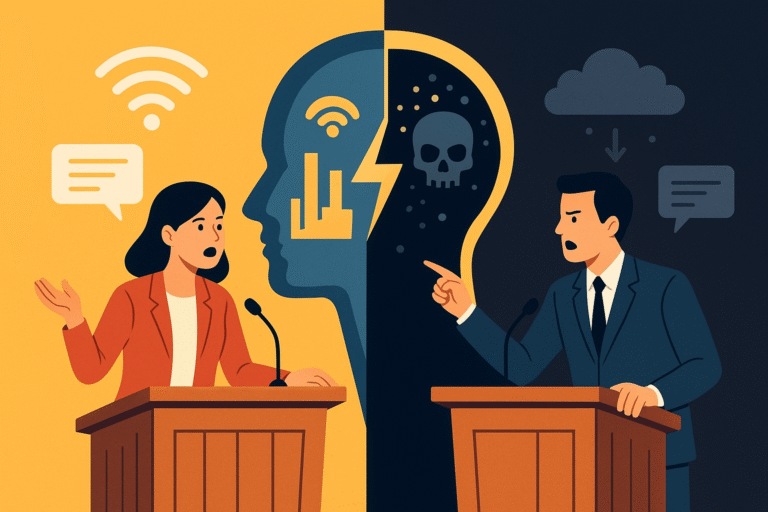
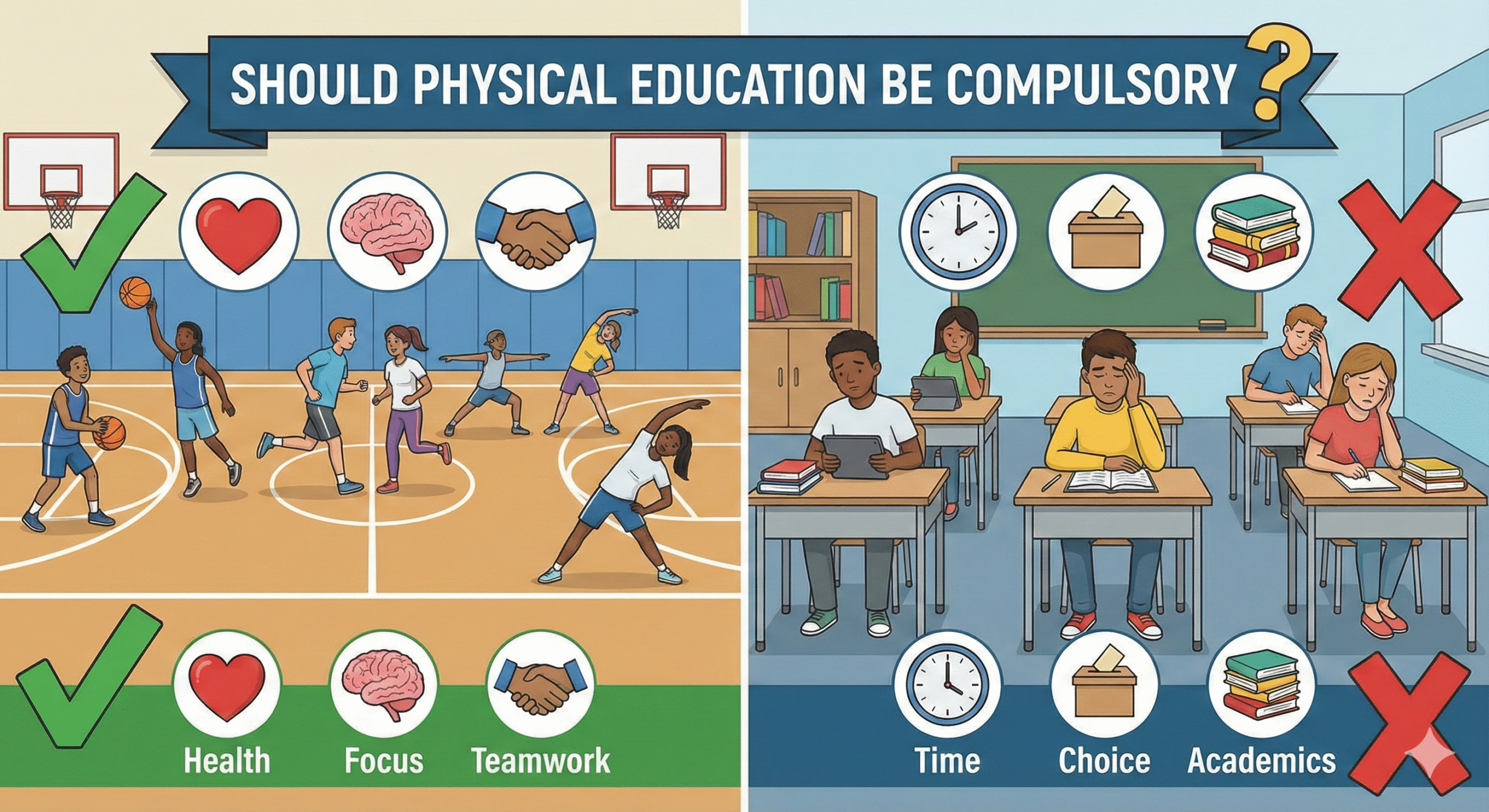
Hello, champions! Need a powerful script to win your next debate? You’ve found it. This template gives you the exact words to argue in support of the motion: “Physical Education should be compulsory in secondary schools.” We will tackle the compulsory PE debate head-on with clear, undeniable points about health, learning, and life skills.
Let’s get this straight. “Compulsory” simply means it’s a required subject for every student, just like Mathematics or English. “Physical Education” or P.E. is the class where you develop physical fitness and skills through sports and exercise. This article provides a ready-made script for one side of this important school debate. Remember, a great debater understands both sides, so use this to build a strong case while respecting the opposition.
—
Winning Debate Points on Why PE Must Be Compulsory
Here is your script. Deliver it with passion and conviction.
1. A Healthy Student is a Ready Student.
My first point is about your foundation. You can’t pour from an empty cup. How can your brain focus on chemistry or literature if your body is tired, weak, or unwell? PE class isn’t a break from learning; it’s what makes the rest of your learning possible.
Think about it. Regular exercise in PE improves blood flow to your brain. It fights off sickness. It gives you energy. The World Health Organization recommends at least 60 minutes of moderate-to-vigorous activity daily for young people. For many students, compulsory PE is the only guarantee they get this. It prepares your body to house a sharp, ready mind. It’s that simple.
2. It’s Not Just the Body, It’s the Mind.
Now, let’s talk about stress. School is tough. Exams, assignments, social pressure—it piles up. Where do you release all that? A compulsory PE class provides a structured outlet. Running, playing football, dancing—it burns off anxiety and clears your head.
But here’s the real truth. Exercise releases “feel-good” chemicals in your brain. It fights depression and boosts your mood. Making PE compulsory means every student, especially those silently struggling, gets access to this powerful tool for mental wellness. It’s about caring for the whole student, not just the part that takes tests.
3. Teamwork and Resilience Are Life Skills.
Another key point is what you learn beyond the sport. The playground is a classroom for character. In a compulsory PE class, you have to work with others. You learn to communicate, to trust your teammate, to win with grace and lose with dignity.
You also learn to get back up. Literally. You fall during a race, you get up. You miss a shot, you try again. This builds a resilience that no textbook lesson can ever teach. These social skills and this tough mindset are crucial for your future, in university, at work, in life. Making it optional means some students miss this fundamental training.
4. It Fights a Silent Epidemic.
Let’s be blunt. We are sitting more and moving less. Screens are everywhere. Childhood obesity and related diseases like diabetes are rising. This isn’t just a personal choice issue anymore; it’s a public health challenge.
A compulsory physical education program in schools is our first line of defense. It ensures every young person gets the baseline knowledge and habit of fitness. It teaches you how to take care of the only body you’ll ever have. Leaving it as an “option” while we face this health crisis is like refusing to use a vaccine. We have to be proactive.
5. It Can Unlock Hidden Talents and Passions.
Imagine this: a student who feels ordinary in every other class steps onto the track. And they fly. Or they pick up a basketball and find their confidence. For many, sports and physical activity are their talent, their passion, their path to scholarships and futures.
If PE is optional, that student might never discover that gift. They might stick to what they know. Making it compulsory exposes every student to a wide range of activities. It’s a discovery zone. You might find your lifelong love for swimming, volleyball, or athletics right there in a required class. Denying that chance to anyone is wrong.
6. It Teaches Lifelong Discipline.
Finally, this is about habit. Brushing your teeth is compulsory for health. Why? Because if it were optional, many wouldn’t do it until they had a painful problem. Physical fitness is the same. The discipline of showing up, participating, and pushing yourself in a compulsory PE class installs a routine.
This habit formation in school is everything. It sets you up to be an adult who values and schedules exercise. An optional class sends the wrong message—that your physical health is secondary, an afterthought. By making it core and compulsory, the school tells you, “This is as important as anything else you will learn here.”
—
Frequently Asked Questions (FAQs)
What’s the strongest argument against compulsory PE?
The most common strong point is about choice and resources.Opponents argue that students should focus on their academic strengths, that not everyone enjoys sports, and that schools often lack proper facilities or qualified coaches, making it a poor experience for some.
How should I handle the point about poor facilities in my rebuttal?
Acknowledge it,then pivot to a solution-oriented stance: “My opponent makes a fair point about facilities. But that’s an argument to improve and invest in PE, not to cancel it. Do we cancel Maths because the classroom is hot? No. We fix the fan. The problem isn’t the subject; it’s the support. The solution is to make it compulsory AND fund it properly.”
—
Conclusion / Summary
In summary, making Physical Education compulsory is non-negotiable. It builds the healthy body that carries a sharp mind. It guards our mental health, teaches irreplaceable teamwork and grit, fights a growing health crisis, uncovers hidden potential, and instills lifelong habits of discipline.
Important Note: This template is for educational debate practice. The goal is to develop persuasive argumentation and public speaking skills. A balanced education values both mental and physical development.
What do you think? Did these points help you see the issue clearly? Drop your own thoughts or questions in the comments below! And don’t forget to share this post with your debate team and coursemates—help them get ready too! Good luck