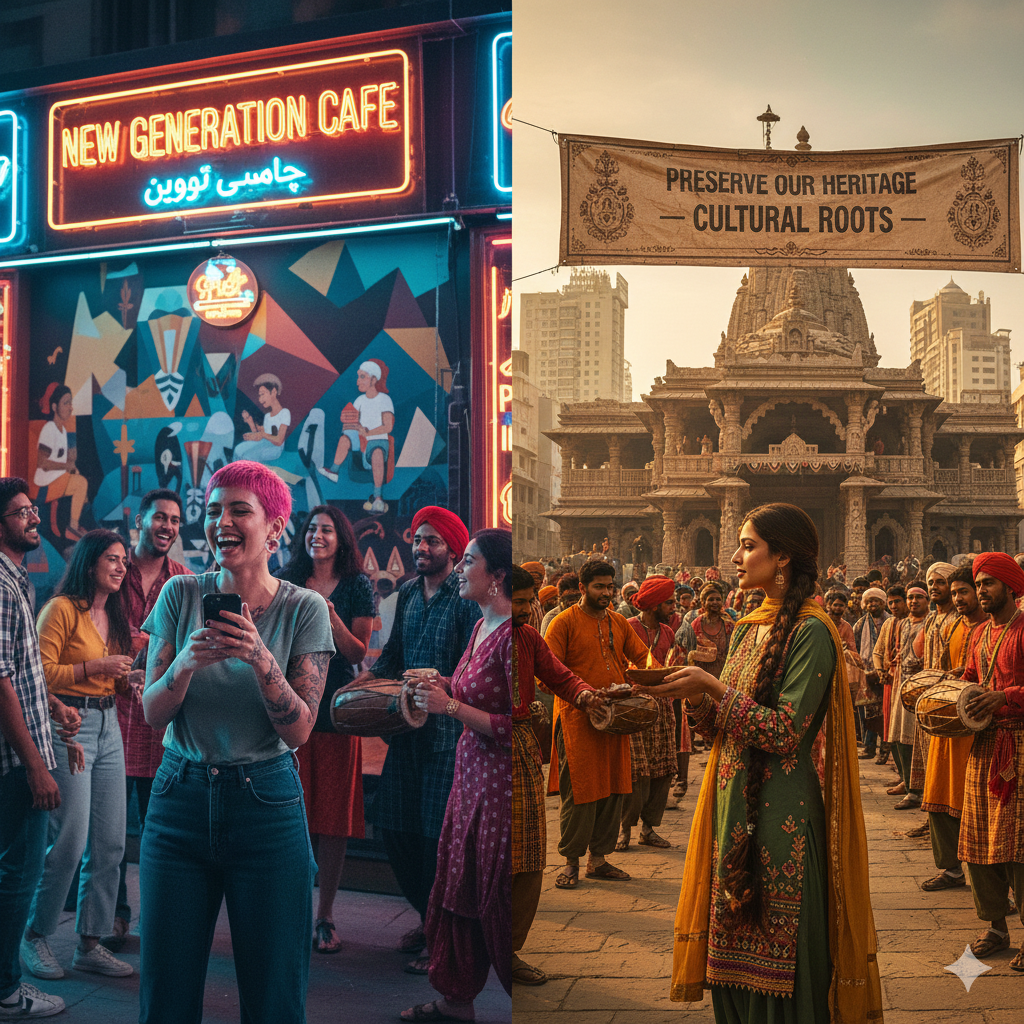
Should modern society accept and adapt to changing cultural norms, or resist to preserve traditional values? (culture vs modernity)
Debate: Should Society Accept Changing Cultural Norms? (6 Winning Points)
What’s up, thinkers and future leaders? Need a script that wins the culture debate every time? You’re in the right spot. Today’s motion is a classic clash: Should modern society accept and adapt to changing cultural norms, or resist to preserve traditional values?
This template gives you the winning arguments supporting acceptance and adaptation. It’s written to sound exactly like you—a thoughtful student making a compelling, progressive case. Remember, this is for educational debate. Respect for tradition is vital, but our task is to argue why adaptation is not just necessary, but positive.
Let’s define our terms simply. “Cultural norms” are the unwritten rules of how we behave in a society. “Traditional values” are those passed down from previous generations. “Accept and adapt” doesn’t mean burning down the past. It means wisely editing the script of our culture to fit the needs of today’s actors—us.
Now, take the floor. Here is your persuasive script.
Winning Debate Points on Why We Must Accept and Adapt
1. Culture Has Always Evolved—It’s Our Human Story
My first point is a simple fact of history: culture is not a museum piece. It’s a living, breathing story that every generation adds to. Think about it. Are we still living in caves? Using stone tools? Of course not. The very traditions some want to preserve were once radical changes themselves.
The academic concept of cultural evolution shows that societies that adapt survive and thrive. From the agricultural revolution to the digital age, successful cultures integrate new tools and ideas. Resisting all change is like asking a tree to never grow new leaves. It contradicts the very nature of life. Our grandparents’ world had different norms, and our grandchildren’s will too. This isn’t betrayal; it’s the natural story of human progress.
2. Adaptation Solves Problems Tradition Cannot
Now, let’s talk about problems. Many traditional norms were formed for societies that no longer exist. They often clash with new scientific knowledge and global ethical standards. Take gender equality. Many traditional structures limited women’s roles. Modern norms promoting education and equal opportunity for all genders aren’t destroying culture—they’re fixing a historic injustice and unlocking the full potential of our entire society.
The World Health Organization frames social adaptation as key to well-being. Clinging to past norms that cause harm in the name of “preservation” is not noble; it’s negligent. Do we preserve harmful practices or adapt to create a fairer, healthier community? True respect for our ancestors means using the better knowledge we have today to build a better world, just as they did with the knowledge they had.
3. Globalization Makes Cultural Exchange Unavoidable
Here’s the reality of our world: we are connected. Through the internet, travel, and trade, ideas flow across borders every second. Trying to build a wall around a “pure” culture in this age is impossible. It’s like trying to stop the wind.
This global interconnectedness brings new foods, music, business ideas, and perspectives. Do we reject all of it? Or do we engage intelligently? Adaptation means we get to choose what enriches us. We can enjoy foreign films while celebrating our own Nollywood. We can adopt useful technologies while singing our traditional songs. This selective integration makes our culture dynamic and relevant, not stagnant and forgotten. A culture that doesn’t interact becomes a relic.
4. It Empowers the Young and Fosters Inclusion
Who feels the clash of culture vs modernity most? Young people. And who are we building the future for? Them. When society rigidly resists new norms, it tells its youth that their experiences, their ideas, and their identities don’t fit. This creates a painful generational gap and forces them to choose between family and self.
Accepting change is an act of inclusion. It makes room for young innovators, for people with different beliefs, and for new family structures. It asks: do we want a culture that pushes our children away, or one that evolves to embrace them? A living culture expands its circle, making more people feel they belong and have a stake in its future. That’s how a culture stays alive.
5. Economic and Technological Progress Demands It
Let’s get practical. Can a society using only traditional farming methods feed a modern city? Can a business using only traditional communication compete globally? No. Technological advancement and economic growth are driven by new ways of thinking and organizing.
Norms around work, education, and innovation must adapt to the tools of the time. The traditional “9-to-5” job is already changing. Resisting new norms in the workplace, in education, or in how we use technology doesn’t preserve culture—it guarantees poverty and irrelevance. To build a prosperous future, our social rules must support, not hinder, the tools that build that future.
6. The Heart of Tradition is Values, Not Specific Practices
My final point gets to the core. What is truly precious about tradition? It’s not the specific practice itself, but the underlying value it was trying to protect. The value of community, respect for elders, or connection to the land.
We can—and must—find new ways to honor those eternal values. We can build community online and offline. We can show respect by caring for our elders’ health with modern medicine, not just old rituals. We protect the land with environmental science. This is smart preservation. It keeps the soul of our culture alive by allowing its body to change with the times. We preserve the spirit by adapting the form.
—
Frequently Asked Questions (FAQs)
Q: What’s the opposition’s strongest argument?
A:They will argue that adaptation destroys our unique identity and leads to a meaningless, globalized culture. They’ll say, “We will lose who we are!” Your counter is powerful: “A culture so fragile it dies from new ideas was already on life support. Our true identity isn’t a static costume; it’s our resilient spirit. Nigerians have absorbed influences for centuries—from Arabic to British—and created something uniquely our own. Adaptation isn’t loss; it’s creative confidence.”
Q: How do I conclude this speech with impact?
A:Appeal to the future. Try this: “Honorable judges, tradition is the roots of the tree, and adaptation is the new branches reaching for the sun. You cannot have one without the other and call it life. Let us not be curators of a dying past, but gardeners of a living future. Let us accept the good change, adapt with wisdom, and build a culture that honors our grandfathers’ memories while fighting for our grandchildren’s dreams. Thank you.”
Conclusion / Summary
In summary, society must accept and adapt to changing norms because culture has always evolved dynamically, adaptation solves contemporary problems tradition cannot, globalization makes exchange inevitable, adaptation empowers the young, economic progress demands it, and the true essence of tradition lies in its core values, not its outdated practices.
Disclaimer: This template is created solely for educational debate practice. It argues one side of a profound and sensitive discussion to develop critical analysis and oratory skills. It fully acknowledges the immense importance of cultural heritage and respectful preservation.
What do you think? Is adaptation strength or surrender? Drop your own views and rebuttals in the comments below! Don’t forget to share this with your debate team and classmates.
![How to Remember What You Read Without Taking Notes: 5 Shocking Methods [Stop Failing Now]](https://schoolsguide.name.ng/wp-content/uploads/2025/12/1766661763983-768x768.png)